Holding the Whole Person

In mental health practice, you come to understand that depression rarely announces itself loudly. It often arrives quietly, disguised as fatigue, withdrawal, irritability, or simply “not feeling like myself.” It moves through a person’s thoughts, emotions, behavior, and relationships, shaping their inner world long before it is clearly identified.
I have encountered many individuals who walked into my office appearing composed and functional. They maintained their responsibilities, met expectations, and presented an image of stability. Yet beneath that surface was a heavy stillness, a diminished spark in their eyes, a slowed way of speaking, and a sense of emotional distance that could not be ignored.
One patient remains particularly memorable. He initially described his experience as “burnout” or “overwhelm.” He spoke of constant exhaustion, difficulty sleeping, loss of interest in activities he once enjoyed, and a growing sense of disconnection from himself and others. What he struggled to articulate was the depth of his internal emptiness, a feeling that life had lost its meaning and color.
From a mental health perspective, this was more than temporary sadness. It reflected a profound disruption in mood regulation, motivation, emotional processing, and overall psychological functioning. His distress was not a personal failing. It was a clinical condition requiring thoughtful, compassionate care.
The turning point in his journey came when the focus shifted from simply managing symptoms to truly understanding his lived experience. Care was approached collaboratively, integrating psychological support, structured coping strategies, emotional processing, and consistent follow-up. Psychoeducation played a crucial role in helping him recognize that depression is a legitimate mental health condition, not a weakness or a character flaw.
Slowly, subtle but meaningful changes emerged. His sleep patterns became more consistent. His thinking grew clearer, less clouded by hopelessness. He began to reconnect with small sources of pleasure such as music, conversation, and moments of quiet reflection. His emotional expression became more alive and less flat. Healing did not happen overnight, but it unfolded steadily.
This experience reinforced a central truth in mental health care. Depression must be understood holistically. It affects how a person thinks, feels, relates, works, and experiences the world. Effective treatment requires empathy, patience, clinical insight, and a deep commitment to seeing the person beyond their diagnosis.
Depression thrives in isolation, silence, and self-blame. Healing grows in understanding, connection, and consistent support. For practitioners, this means listening deeply, asking meaningful questions, and creating a safe, nonjudgmental space where individuals feel truly seen. For those struggling, it means recognizing that seeking help is not surrender. It is an act of courage and self-respect.
When mental health care is truly person-centered, transformation becomes possible. The individual does not merely “recover.” They gradually reconnect with their identity, their purpose, and their capacity to experience life with depth and presence again. If you have been carrying persistent sadness, emptiness, fatigue, or a sense of hopelessness, know that your experience matters.
Depression may dim the inner light, but with the right care and support, that light can return, steadier, clearer, and more enduring than before.
Dr. Oladunni Faminu DNP, APRN.
Subscribe to Newsletter
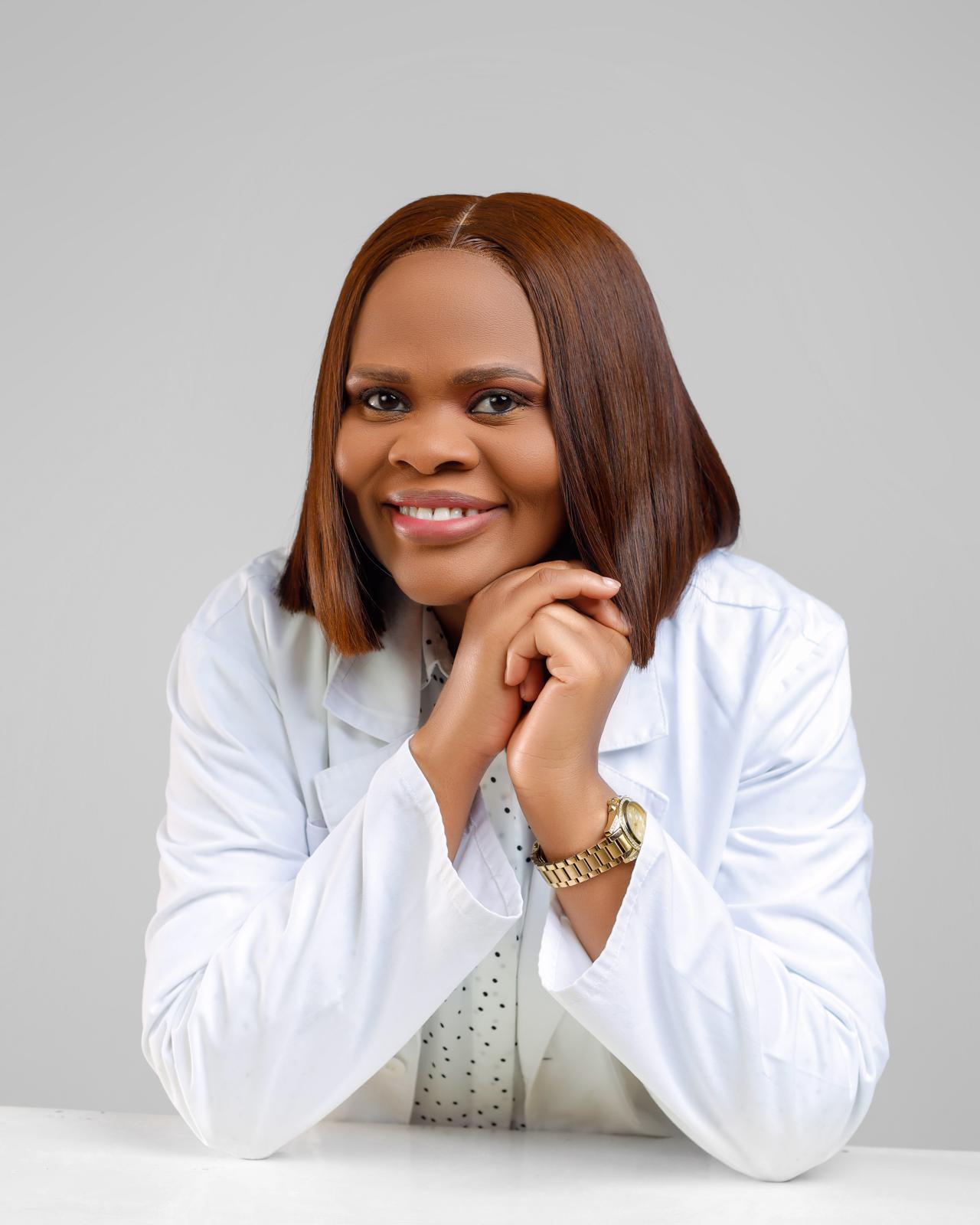
Dr. Oladunni Faminu
DNP, PMHNP, FNP — Founder of WellCrest Health
Dr. Oladunni Faminu is a doctorate-prepared Advanced Practice Nurse Practitioner with over 20 years of clinical experience. She treats patients ages 18 to 80 for depression, anxiety, panic disorders, bipolar disorder, ADHD, sleep problems, stress and burnout, and other mental health conditions. Dual-certified as a Psychiatric Mental Health Nurse Practitioner (PMHNP) and Family Nurse Practitioner (FNP), she provides comprehensive, coordinated mental health care, including care that addresses sexual health and intimacy concerns.
Dr. Faminu earned her Doctor of Nursing Practice with a postgraduate specialization in Psychiatric Mental Health from Frontier Nursing University and her Master of Science in Nursing as a Family Nurse Practitioner from South University.
Licensed in Georgia, Arizona, Nevada, and Maryland, she provides evidence-based, patient-centered care rooted in empathy and clinical precision. She creates a respectful, confidential, and nonjudgmental space where patients can openly discuss concerns such as low libido, intimacy and relationship challenges, erectile dysfunction, and the effects of mental health conditions or medications on sexual functioning.
Her approach goes beyond symptom management. She works to understand each patient’s full picture and tailors individualized treatment plans that support long-term wellness across mind, body, and relationships.